
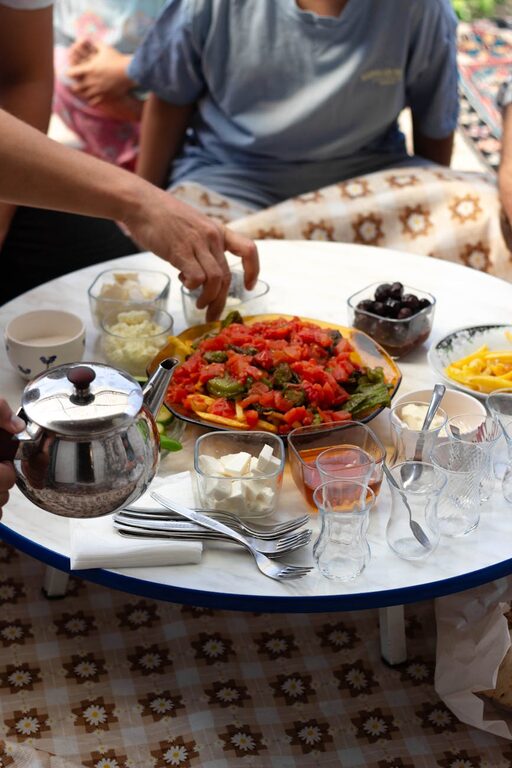
Eating balanced meals is key to feeling energized, staying healthy, and enjoying food. However, planning these meals can sometimes feel overwhelming, especially when life gets busy. The good news is that creating nutritious and satisfying meals doesn’t have to be stressful. With a few simple strategies, you can plan meals that are balanced, tasty, and easy to prepare.
In this guide, we’ll walk through how to plan balanced meals without the hassle, so you can enjoy wholesome eating with confidence.
What Does a Balanced Meal Look Like?
Before planning, it helps to understand what makes a meal balanced. A balanced meal typically includes:
– Protein: Helps repair tissues and keeps you full. Examples: chicken, beans, tofu, fish, eggs.
– Carbohydrates: Provide energy. Choose whole grains like brown rice, quinoa, or whole wheat bread.
– Healthy Fats: Support brain function and absorption of vitamins. Sources include avocados, nuts, seeds, and olive oil.
– Vegetables and Fruits: Rich in vitamins, minerals, fiber, and antioxidants.
– Water: Staying hydrated supports digestion and overall health.
By including a variety of these food groups, you ensure your body gets the essential nutrients it needs.
Why Planning Meals Reduces Stress
When you plan meals ahead, you:
– Save time deciding what to eat daily
– Cut down on last-minute store runs
– Reduce food waste by buying only what you need
– Avoid unhealthy impulse choices
Meal planning turns mealtime into a smoother, more enjoyable experience.
Step 1: Start with What You Like
The best meal plans are realistic and enjoyable. Begin by listing:
– Your favorite proteins
– Carbs you enjoy
– Vegetables and fruits you like and can easily buy
This helps prevent planning meals you don’t want to eat, which can lead to frustration.
Step 2: Keep It Simple
Balanced meals don’t have to be complicated. Aim for plates that:
– Feature 1 portion of protein
– Include 1–2 servings of vegetables
– Add a small portion of whole grains or starchy vegetables
– Include healthy fat, either in cooking or as a side
For example, grilled chicken breast with steamed broccoli, brown rice, and a drizzle of olive oil is tasty, balanced, and quick.
Step 3: Use a Weekly Template
Create a flexible meal framework to make planning faster. For example:
– Monday: Protein + grain + green vegetable
– Tuesday: Salad with protein + healthy fat
– Wednesday: Stir-fry with mixed veggies + tofu or meat + rice
– Thursday: Pasta with tomato sauce + side salad
– Friday: Fish + roasted vegetables + quinoa
– Weekend: Use leftovers or try new recipes
This gives you variety but keeps choices manageable.
Step 4: Plan for Convenience
Busy days need quick options. Include some meals that:
– Use pre-cut vegetables or greens
– Can be made in under 30 minutes
– Work well as leftovers for lunch
Batch cooking or prepping ingredients ahead can save time.
Step 5: Write a Shopping List
Once you know your meals, jot down your ingredients. Organize your list by sections of the store to shop efficiently. This also helps prevent impulse buys.
Step 6: Prepare Ahead
Set aside time to:
– Wash and chop vegetables for the week
– Cook grains or proteins in bulk
– Portion snacks like nuts or fruit
Having ready-to-use ingredients reduces daily cooking stress.
Tips to Keep Meal Planning Enjoyable
– Experiment occasionally: Try new recipes or ingredients to keep things exciting.
– Involve the family: Get input on meals to make everyone feel included.
– Stay flexible: Swap meals if you’re not in the mood for what’s planned.
– Listen to your body: Eat until satisfied, not forced.
Sample Balanced Meal Ideas
– Quinoa salad with chickpeas, cucumbers, tomatoes, and lemon-tahini dressing
– Baked salmon with roasted sweet potatoes and steamed green beans
– Turkey and vegetable stir-fry with brown rice
– Lentil soup with a side of whole grain bread and mixed greens
– Veggie omelet with avocado toast and a piece of fruit
Each meal offers a good mix of nutrients and can be adapted to your tastes.
Summary
Planning balanced meals doesn’t have to be stressful. By understanding what a balanced meal includes, starting with your favorite foods, keeping it simple, and organizing your shopping and prep time, you can enjoy nutritious meals every day. Over time, planning becomes easier and your meals more satisfying.
Remember, the goal is to nourish your body and enjoy your food without added stress. Happy meal planning!